Skip to content

From Vernacular Forms to Modern Architecture

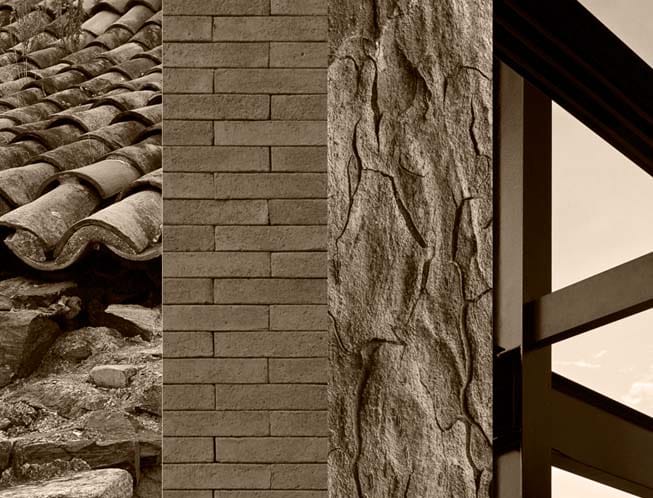
The architectural language of The Lighthouse is a tribute to the local heritage and natural geometry of Velipojë. As explored in our narrative, three key elements define its form:

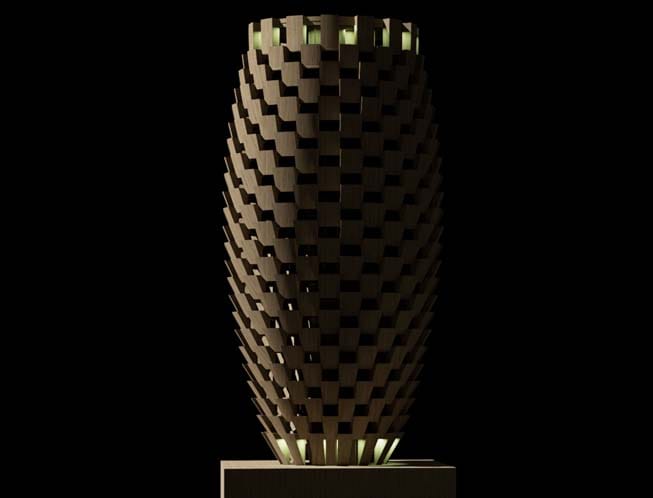
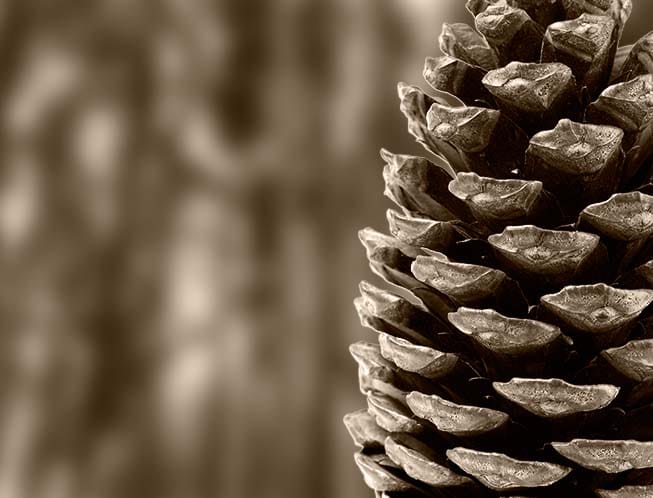
Inspired by the pine forests of the region, the building adopts a protective, layered, and vertical growth pattern.

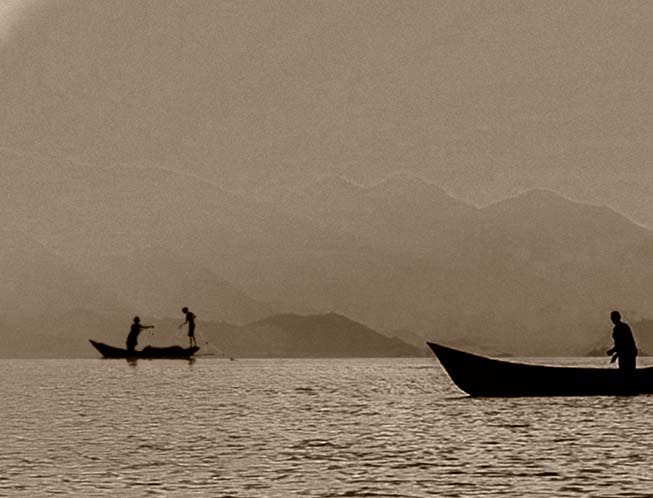
The intricate patterns of the facade and the rhythmic structure reflect the traditional fishing nets and the coastal culture of the Buna River.

The silhouette mimics the natural way objects are stacked on the shore, creating a sculptural “twist” that evolves as it rises toward the sky.

A Landmark Formed by Light and Sea

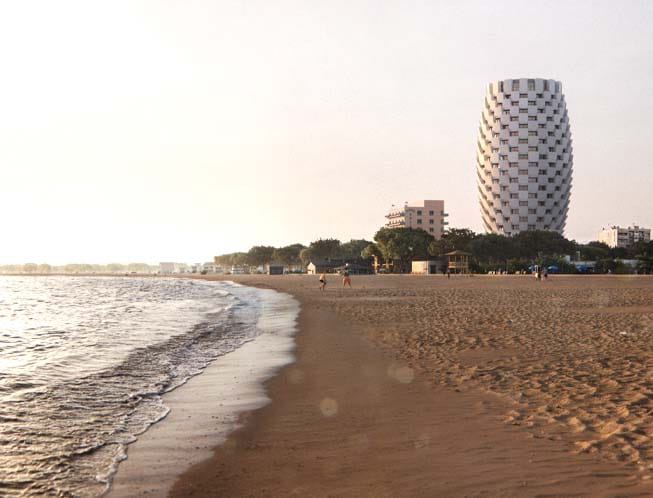
Derived from the symbolic power of maritime beacons, The Lighthouse is conceived as a monumental landmark that anchors the Velipojë coastline. It stands as a rhythmic interplay between transparency and solid form, designed to guide the visual identity of the horizon. It is a structure that does not just occupy space but defines the intersection where the river meets the sea.
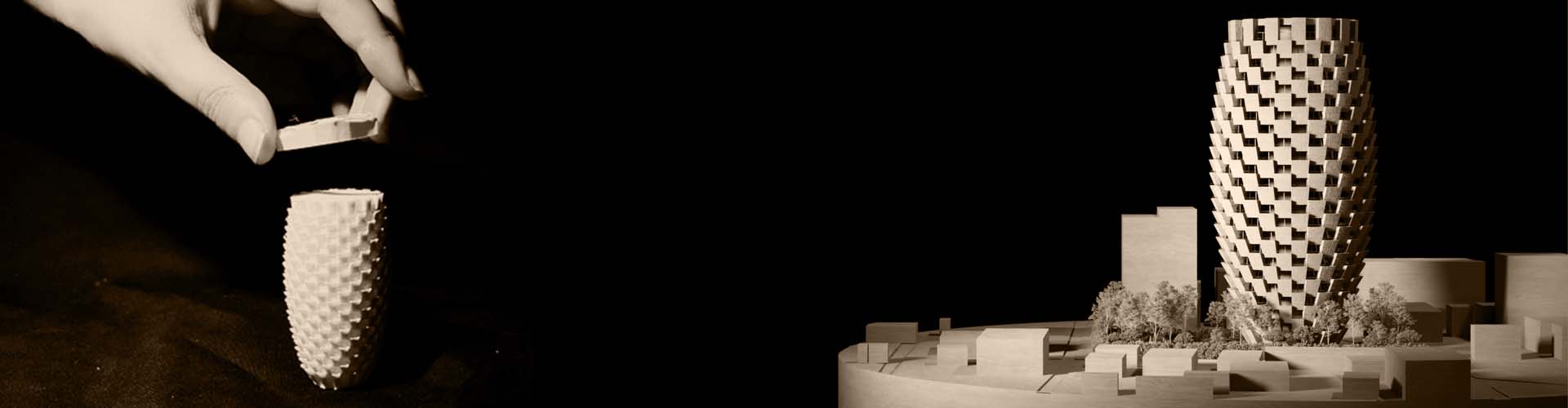
Sculptural Fluidity & The Twist

The building’s unique silhouette is defined by the strategic shifting and rotation of floor plates. This “twist” is not merely an aesthetic choice; it is a structural evolution that breaks the traditional vertical plane. By cascading the levels, the architecture achieves a dynamic effect that captures the Mediterranean light, ensuring every angle offers a new perspective.